
Sustainability shouldn’t be a marketing claim.
It should be measurable.
Our environmental assessment takes a lifecycle approach. That means we look beyond what happens during composting itself and consider the broader process, including collection and transportation, fuel and equipment use, aerobic decomposition, finished compost, and the environmental benefits created when that material is returned to the land.
Our assessment considers environmental indicators including greenhouse gas emissions, air impacts, solid waste and diversion, and water use and discharge.
Because real environmental responsibility starts with knowing your impact.
What We Measure
Environmental impact is more than one number.
It’s the combined effect of an entire process.
Hover over the icons to learn more.Tap the icons to learn more.
Greenhouse Gas Emissions
Evaluating carbon dioxide equivalent (CO₂e) and the greenhouse gas impacts associated with animal aftercare processes.
Energy & Fuel Consumption
Assessing energy requirements, transportation fuel use, and operational efficiency across our services.
Air Quality & Emissions Monitoring
Monitoring relevant operational parameters and emissions to support environmental compliance and responsible facility operation.
Resource Recovery
Evaluating organic material processing, resource utilization, and applicable environmental benefits associated with recovered materials.
Research & evidence
Environmental Responsibility, Backed by Research.
We've examined the environmental differences between animal composting and traditional rendering through a comparative Life Cycle Assessment.
Explore the research findings and discover what the numbers reveal.
Check Out the ResearchComparative
Life Cycle Assessment
Composting vs. Traditional Rendering

A Natural Approach to Animal Aftercare
Returning Organic Matter to the Earth
Our Return to Earth composting process uses managed aerobic decomposition to transform animal remains into stabilized organic material.
By carefully managing the biological process, we strive to provide respectful aftercare while reducing environmental impacts and supporting responsible resource management.
Reforestation & Habitat Restoration
Our Environmental Commitment Extends Beyond Aftercare.
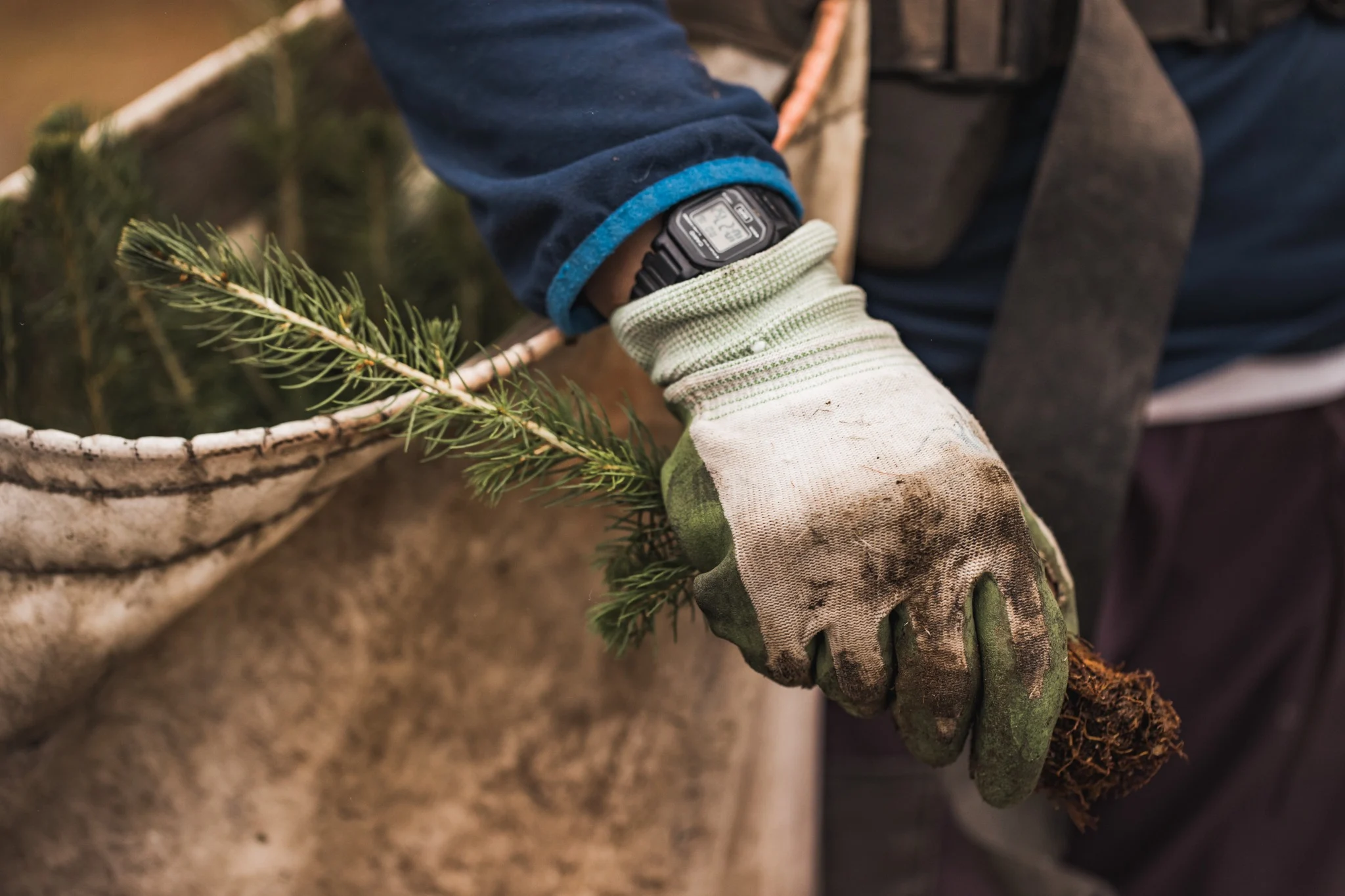
Through reforestation and environmental restoration initiatives, Barn Angels supports projects designed to contribute to healthier ecosystems and the recovery of landscapes affected by environmental damage.
Our memorial tree program connects animal aftercare with a lasting environmental contribution, while our restoration partnerships support broader conservation efforts.
Trees planted locally
Planted in the Halton Region
Tree-planting commitment
Nicola Watershed, BC. Supporting verified post-wildfire restoration over two years.
Beyond Ontario, Barn Angels also supports verified post-wildfire restoration projects through Veritree. These projects reintroduce native tree species selected for local ecological suitability and climate resilience, helping restore forest structure, soil stability and biodiversity in areas affected by severe wildfire.
Where Their Legacy Grows
Every animal entrusted to our care is honoured with a tree. Explore the Canadian landscapes where these living tributes take root.
Nicola Watershed, BC
Our trees are planted in the Nicola Watershed, a region of British Columbia affected by wildfires. These planting efforts support forest regeneration, wildlife habitat and the long-term recovery of the surrounding landscape.
Accountability Through Action
Environmental responsibility requires ongoing commitment, not just a statement of intent.
As Barn Angels grows, we remain committed to regulatory compliance, environmental monitoring, responsible operating practices, and the continued evaluation of our environmental performance.